Introduction
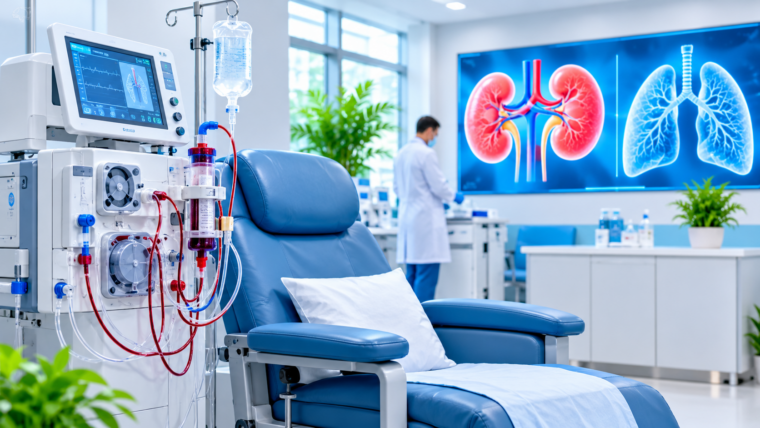
Kidney disease, asthma, and Chronic Obstructive Pulmonary Disease (COPD) are important medical conditions that require professional diagnosis, appropriate treatment, and continuous healthcare management. Among these conditions, advanced kidney disease can become particularly challenging when the kidneys lose their ability to remove waste products and excess fluid from the blood. Kidney dialysis is an essential treatment that helps patients with kidney failure maintain important bodily functions and improve their quality of life. Dialysis is generally recommended when kidney function becomes severely reduced. The two main approaches are hemodialysis and peritoneal dialysis. Hemodialysis uses a specialized machine and filter to clean the blood, while peritoneal dialysis uses the lining of the abdomen as a natural filtering surface. The financial cost of dialysis varies considerably between countries. The USA and Switzerland generally have higher private healthcare expenses, whereas India and Turkey may provide comparatively affordable private treatment options. The UK and Canada have publicly funded healthcare arrangements for eligible residents. Asthma and COPD require different treatment strategies. Asthma management commonly involves inhalers and anti-inflammatory medicines, while COPD treatment may require long-term bronchodilators, pulmonary rehabilitation, and oxygen support. Understanding international treatment prices is important because ongoing dialysis can be expensive, particularly when patients require several sessions every week. This article compares estimated healthcare expenses in the USA, UK, Canada, Switzerland, Turkey, India, and Pakistan while explaining the factors that influence medical pricing.Understanding Kidney Dialysis Treatment
Kidney dialysis is a medical procedure that performs some of the essential functions of healthy kidneys when natural kidney function is severely impaired. Healthy kidneys remove waste, regulate fluid levels, and maintain the balance of important minerals in the blood. When these functions become insufficient, harmful substances and excess fluid can accumulate. There are two primary dialysis methods:1. Hemodialysis
Hemodialysis involves circulating blood through a specialized filtering machine. The machine removes waste products and excess fluid before returning the cleaned blood to the patient’s body. Important features include:- Usually performed several times each week.
- Requires specialized dialysis equipment.
- Involves professional medical supervision.
- Requires regular blood testing and monitoring.
- May be performed in a hospital, dialysis center, or suitable home setting.
2. Peritoneal Dialysis
Peritoneal dialysis uses the abdominal lining to filter waste and excess fluid. A special dialysis solution enters the abdominal cavity through a catheter and is later drained. Its potential advantages include:- Can often be performed at home.
- May provide greater scheduling flexibility.
- Requires appropriate training and hygiene practices.
- Involves recurring dialysis solution and equipment expenses.
Kidney Dialysis Treatment Cost by Country
Dialysis expenses depend on treatment frequency, hospital facilities, medical supplies, insurance arrangements, and the type of dialysis selected. The following table provides broad illustrative annual private-pay planning estimates in US dollars. These figures are not official national tariffs or guaranteed hospital quotations. Costs may differ substantially between public healthcare programs and private hospitals.| Country | Annual Hemodialysis Estimate |
|---|---|
| USA | $70,000–$150,000 |
| UK | $35,000–$95,000 |
| Canada | $35,000–$85,000 |
| Switzerland | $45,000–$90,000 |
| Turkey | $12,000–$30,000 |
| India | $5,000–$19,000 |
| Pakistan | $3,000–$10,000 |
1. Kidney Dialysis Treatment Cost in the USA
The United States has an extensive network of specialized kidney treatment centers, advanced dialysis equipment, and experienced nephrologists. However, private dialysis services can involve substantial healthcare expenses. The estimated annual private treatment budget may range from $70,000 to $150,000, depending on the treatment arrangement and medical requirements. Major expenses include:- Dialysis sessions and equipment.
- Nephrologist consultations.
- Laboratory investigations.
- Dialysis access procedures.
- Prescription medicines.
- Hospital admission when complications occur.
2. Kidney Dialysis Treatment Cost in the UK
The United Kingdom provides kidney treatment through the National Health Service (NHS). Eligible residents can generally receive medically necessary dialysis through publicly funded healthcare arrangements. Private treatment is also available for patients who choose private healthcare or require services outside their public coverage. An illustrative annual private treatment planning range is $35,000–$95,000. The overall amount depends on:- Dialysis frequency.
- Hospital or private clinic selection.
- Medical equipment and supplies.
- Laboratory testing.
- Specialist supervision.
3. Kidney Dialysis Treatment Cost in Canada
Canada provides publicly funded healthcare through provincial and territorial programs. Eligible residents generally receive medically necessary kidney treatment through their healthcare systems. Private treatment arrangements may involve additional expenses for patients without applicable public coverage. An estimated private treatment planning range is $35,000–$85,000 annually. Additional medical expenses may include prescription medication, dialysis supplies, specialist appointments, and transportation. The availability of public dialysis services and coverage for medicines can vary between provinces. Patients should confirm their eligibility before arranging treatment.4. Kidney Dialysis Treatment Cost in Switzerland
Switzerland has a highly developed healthcare system with modern hospitals, specialized kidney centers, and advanced medical equipment. Patients receive healthcare through a regulated health insurance system. Mandatory insurance generally covers qualifying dialysis treatment, subject to applicable deductibles, copayments, and coverage requirements. For private-pay planning, an indicative annual range is $45,000–$90,000. Important expenses include:- Dialysis facility charges.
- Medical consultations.
- Laboratory investigations.
- Specialized treatment equipment.
- Medication and monitoring.
5. Kidney Dialysis Treatment Cost in Turkey
Turkey has developed a growing private healthcare sector with hospitals and specialized dialysis centers serving local and international patients. The estimated annual private treatment planning range is $12,000–$30,000. Patients may find comparatively competitive medical services, but the final amount depends on the dialysis method, treatment frequency, hospital location, and additional medical requirements. Before selecting a facility, patients should confirm:- Availability of regular dialysis appointments.
- Qualified nephrologists and nursing staff.
- Emergency medical support.
- Included laboratory investigations.
- Medication and equipment arrangements.
6. Kidney Dialysis Treatment Cost in India
India is an established destination for patients seeking comparatively affordable kidney treatment. Major cities, including Delhi, Mumbai, Chennai, Hyderabad, and Bengaluru, have hospitals offering hemodialysis, peritoneal dialysis, nephrology consultations, and kidney transplantation services. An illustrative annual hemodialysis planning range is $5,000–$19,000. Treatment expenses depend on:- Hospital location and reputation.
- Number of dialysis sessions.
- Medical consumables.
- Diagnostic testing.
- Specialist consultations.
- Additional medication.
7. Kidney Dialysis Treatment Cost in Pakistan
Pakistan has public and private hospitals providing kidney treatment, dialysis services, and specialist consultations. Patients can access dialysis facilities in major cities, including Karachi, Lahore, Islamabad, and Hyderabad. An illustrative annual private-pay planning range is $3,000–$10,000, although actual expenses depend on the hospital and treatment frequency. Some charitable organizations and public hospitals also provide subsidized dialysis services for eligible patients. Patients should confirm the availability of dialysis machines, emergency facilities, trained medical staff, and regular treatment appointments.Asthma and COPD Treatment Cost by Country
Asthma and COPD are chronic respiratory conditions that require different medical management strategies. Asthma involves inflammation and narrowing of the airways. Treatment commonly includes inhaled corticosteroids, bronchodilators, combination inhalers, and specialist medicines for severe cases. COPD includes chronic bronchitis and emphysema. Treatment aims to improve breathing, reduce exacerbations, and maintain daily activities. Common COPD treatments include:- Long-acting bronchodilators.
- Combination inhalers.
- Pulmonary rehabilitation.
- Oxygen therapy for qualifying patients.
- Regular respiratory consultations.
- Hospital treatment during serious exacerbations.
| Country | Asthma Treatment | COPD Treatment |
|---|---|---|
| USA | $1,500–$8,000 | $2,000–$12,000 |
| UK | $500–$3,000 | $800–$5,000 |
| Canada | $600–$3,500 | $900–$5,500 |
| Switzerland | $1,000–$4,000 | $1,500–$7,000 |
| Turkey | $400–$2,500 | $600–$4,000 |
| India | $250–$1,800 | $400–$3,000 |
| Pakistan | $150–$1,200 | $250–$2,000 |
| International Specialist Care | $2,000–$8,000 | $3,000–$10,000 |
Factors Influencing Kidney Dialysis and Respiratory Treatment Prices
Several factors explain why medical expenses differ between countries and healthcare facilities.1. Health Insurance Coverage
Insurance is one of the most important factors affecting patient payments. The USA offers Medicare for eligible patients with kidney failure, alongside private insurance arrangements. The UK and Canada provide publicly funded healthcare for eligible residents. Switzerland uses mandatory health insurance, while Turkey, India, and Pakistan have different public and private healthcare arrangements. Patients should confirm:- Whether dialysis sessions are covered.
- Whether prescribed medicines are included.
- Whether hospital admission is covered.
- Whether respiratory treatment is included.
- Whether specialist consultations require additional payments.
2. Hospital Quality and Medical Equipment
Hospitals with modern dialysis machines, specialized laboratories, intensive care facilities, and experienced nephrologists may charge higher professional fees. For respiratory treatment, advanced pulmonary departments and specialized diagnostic equipment can also influence overall expenses.3. Medication and Medical Supplies
Dialysis patients may require medicines for anemia, blood pressure, mineral balance, and other complications. Asthma patients may need inhalers and biologic medicines, while COPD patients may require long-term bronchodilators and additional respiratory medication. Medical supply availability and pharmaceutical pricing regulations can create substantial differences between countries.4. Treatment Frequency and Duration
Hemodialysis commonly requires three sessions per week, although individual prescriptions differ. More frequent treatments, additional laboratory investigations, and complications can increase annual expenses. Asthma and COPD patients also face recurring medication and consultation requirements.5. Patient Health and Medical Complications
Patients with diabetes, cardiovascular disease, infections, or other medical conditions may require additional investigations and hospital treatment. Similarly, severe asthma and advanced COPD can require specialized medicines and emergency respiratory support.6. Specialist Experience
Nephrologists, pulmonologists, respiratory therapists, and specialized nursing teams play important roles in treatment quality. Their professional fees can vary depending on qualifications, experience, and hospital location.7. International Travel and Accommodation
Patients traveling abroad should consider additional expenses such as:- Airfare and transportation.
- Accommodation near the hospital.
- Medical interpretation.
- Additional laboratory investigations.
- Follow-up consultations.
How to Plan Your Medical Treatment Budget
Patients should consider the complete treatment pathway rather than focusing only on the advertised hospital price. Useful planning steps include:- Obtain a written quotation from the hospital.
- Compare hemodialysis and peritoneal dialysis where medically appropriate.
- Check insurance coverage and eligibility.
- Ask whether laboratory tests and medicines are included.
- Calculate recurring monthly and annual expenses.
- Confirm emergency treatment availability.
- Arrange long-term medical follow-up.
