Introduction
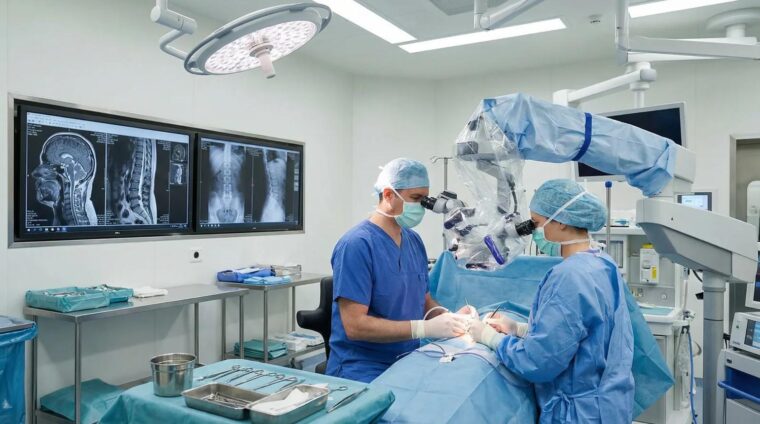
Spinal surgery is an important medical treatment used to address different conditions affecting the spine, spinal nerves, discs, and surrounding structures. Problems such as herniated discs, spinal stenosis, degenerative disc disease, spinal fractures, and spinal deformities can cause persistent pain, weakness, numbness, and difficulty performing everyday activities. When conservative treatments such as medication, physical therapy, and injections do not provide sufficient improvement, doctors may recommend surgical intervention. Modern spinal surgery includes several techniques, ranging from minimally invasive procedures to complex spinal reconstruction and fusion operations. The financial requirements of spinal surgery differ significantly between countries. The United States generally has higher private hospital charges, while India offers comparatively affordable treatment options. Germany and Switzerland have advanced healthcare infrastructure, and the UK and Canada provide publicly funded treatment arrangements for eligible residents. Patients considering treatment abroad should evaluate more than the advertised surgical price. Surgeon experience, hospital accreditation, diagnostic investigations, anesthesia, implants, hospitalization, and rehabilitation all influence the final financial commitment. This guide compares estimated spinal surgery expenses in the USA, UK, Canada, Germany, Switzerland, India, and Pakistan. It also explains different surgical procedures, factors affecting treatment prices, insurance considerations, and ways to prepare financially for spinal treatment.Understanding Spinal Surgery
The spine is an important structure that supports the body, protects the spinal cord, and allows movement. It consists of vertebrae, intervertebral discs, ligaments, joints, and nerves. Different medical conditions can affect these structures and require specialized treatment. Common reasons for spinal surgery include:- Herniated disc: Occurs when the soft material inside a spinal disc pushes outward and may compress nearby nerves.
- Spinal stenosis: Involves narrowing of the spinal canal or nerve openings.
- Degenerative disc disease: Refers to age-related or other changes in spinal discs that may cause pain.
- Spondylolisthesis: Occurs when one vertebra slips forward relative to another.
- Spinal fractures: Can result from injuries, accidents, or weakened bones.
- Scoliosis: Involves an abnormal sideways curvature of the spine.
Common Types of Spinal Surgery
Understanding the procedure is essential because different operations have different hospital requirements and financial implications.1. Spinal Fusion Surgery
Spinal fusion is a procedure that permanently joins two or more vertebrae to improve spinal stability. Surgeons may use bone grafts, screws, rods, cages, or other medical implants to support the affected area. It may be recommended for selected patients with spinal instability, certain fractures, deformities, or degenerative conditions. The procedure can involve longer hospitalization and rehabilitation than some smaller spinal operations.2. Discectomy
A discectomy involves removing part or all of a damaged intervertebral disc that is compressing a spinal nerve. It is commonly considered for selected patients with a herniated disc and persistent nerve-related symptoms. Minimally invasive techniques may allow smaller incisions and shorter hospital stays in suitable cases.3. Laminectomy
A laminectomy involves removing part of the vertebral bone called the lamina to create additional space around the spinal cord or nerves. It is commonly used in selected cases of spinal stenosis.4. Artificial Disc Replacement
Artificial disc replacement involves removing a damaged disc and replacing it with an artificial implant. It may be suitable for selected patients with certain cervical or lumbar disc conditions.5. Minimally Invasive Spine Surgery
Minimally invasive procedures use specialized instruments and smaller surgical openings to access the affected spinal structures. Potential advantages include:- Smaller surgical incisions.
- Reduced disruption of surrounding tissues.
- Potentially shorter hospitalization.
- Less postoperative discomfort in selected patients.
- Earlier return to certain daily activities.
Spinal Surgery Cost by Country
Spinal surgery prices vary according to the procedure, hospital, surgeon, medical equipment, implants, and length of hospitalization. The following table provides broad private-treatment planning estimates in US dollars. It focuses mainly on common spinal procedures and should not be interpreted as a fixed quotation for every type of surgery.| Country | Estimated Surgery Price (USD) |
|---|---|
| USA | $25,000–$117,000 |
| UK | $12,500–$66,000 |
| Canada | $20,000–$79,000 |
| Germany | $14,500–$62,000 |
| Switzerland | $15,000–$55,000 |
| India | $4,000–$16,000 |
| Pakistan | $3,500–$15,000 |
1. Spinal Surgery Cost in the USA
The United States has a highly developed healthcare system with specialized neurosurgery departments, orthopedic spine centers, advanced imaging equipment, and experienced spinal surgeons. However, private spinal surgery can involve substantial medical expenses. Depending on the procedure and hospital, patients may encounter bills ranging from approximately $25,000 to more than $100,000. Spinal fusion operations generally involve higher expenses than simpler procedures because they may require specialized implants, longer operating times, and additional hospital monitoring. Major expenses include:- Neurosurgeon or orthopedic spine surgeon fees.
- MRI, CT scans, and diagnostic investigations.
- Operating theatre and anesthesia charges.
- Spinal implants and surgical equipment.
- Hospital accommodation and intensive monitoring.
- Postoperative physical therapy.
2. Spinal Surgery Cost in the UK
The United Kingdom provides spinal treatment through the National Health Service (NHS) and private hospitals. Eligible residents can generally receive medically necessary spinal procedures through publicly funded healthcare, subject to clinical assessment and service availability. Private treatment is also available for patients who choose independent hospitals or have appropriate insurance. An indicative private-treatment planning range is approximately $12,500–$66,000, depending on the procedure and hospital. Common expenses include:- Specialist spinal consultations.
- MRI and other diagnostic examinations.
- Surgical and anesthesia fees.
- Hospital accommodation.
- Implants and surgical materials.
- Postoperative rehabilitation.
3. Spinal Surgery Cost in Canada
Canada has a publicly funded healthcare system administered through provincial and territorial health insurance programs. Eligible residents generally receive medically necessary hospital and physician services through their public healthcare coverage. Patients without applicable public coverage may face substantial private expenses. An illustrative private-pay planning range is approximately $20,000–$79,000. The final amount depends on:- Type of spinal operation.
- Number of spinal levels involved.
- Hospital facilities.
- Surgeon and anesthesia fees.
- Implant requirements.
- Recovery and rehabilitation services.
4. Spinal Surgery Cost in Germany
Germany is known for its advanced medical infrastructure, specialized orthopedic departments, and neurosurgical treatment facilities. The country has statutory and private health insurance arrangements. Eligible residents may receive medically necessary spinal treatment according to their coverage and medical requirements. International patients generally need private treatment arrangements. A broad private-treatment planning range is approximately $14,500–$62,000. Factors influencing the final price include:- Hospital selection and location.
- Surgeon’s professional fees.
- Type of spinal procedure.
- Advanced surgical equipment.
- Implant and fixation materials.
- Length of hospitalization.
5. Spinal Surgery Cost in Switzerland
Switzerland has a well-established healthcare system with advanced medical facilities, specialized spinal departments, and modern surgical technologies. The country operates a regulated health insurance system. Eligible residents receive coverage according to mandatory insurance arrangements and applicable policy conditions. For private international patients, treatment expenses can be relatively high. An indicative private-treatment planning range is approximately $15,000–$55,000 for selected spinal procedures. Complex operations may exceed this range. Important expenses include:- Spinal surgeon consultations.
- Advanced diagnostic imaging.
- Operating theatre services.
- Anesthesia and hospital charges.
- Medical implants.
- Rehabilitation and follow-up care.
6. Spinal Surgery Cost in India
India is an important destination for international patients seeking comparatively affordable spinal treatment. Hospitals in Delhi, Mumbai, Chennai, Hyderabad, and Bengaluru offer neurosurgery and orthopedic spine services. The estimated private-treatment planning range is approximately $4,000–$16,000, depending on the procedure and hospital. Common treatment options include:- Spinal fusion.
- Lumbar discectomy.
- Cervical spine surgery.
- Spinal decompression.
- Selected minimally invasive procedures.
- Artificial disc replacement.
7. Spinal Surgery Cost in Pakistan
Pakistan provides spinal treatment through public and private hospitals, particularly in Karachi, Lahore, Islamabad, and other major cities. Patients can access orthopedic spine surgeons, neurosurgeons, diagnostic imaging, and rehabilitation services. An illustrative private-treatment planning range is approximately $3,500–$15,000. Treatment expenses depend on the procedure, hospital facilities, medical implants, and specialist fees. Common expenses include:- Spinal specialist consultations.
- MRI and CT examinations.
- Surgical and anesthesia services.
- Hospital admission.
- Implants and medical supplies.
- Physical therapy and follow-up.
Estimated Cost of Different Spinal Procedures
The following comparison explains how surgical complexity can influence the financial requirement. These are broad international private-treatment planning ranges rather than fixed prices for a particular country.| Spinal Procedure | Estimated Price (USD) |
|---|---|
| Lumbar Discectomy | $4,000–$30,000 |
| Spinal Fusion | $6,000–$100,000 |
| Cervical Disc Replacement | $5,500–$45,000 |
| Laminectomy | $5,000–$35,000 |
| Spinal Decompression | $4,500–$30,000 |
| Minimally Invasive Spine Surgery | $5,000–$40,000 |
| Scoliosis Correction | $10,000–$150,000 |
| Revision Spinal Surgery | $12,000–$120,000 |
Factors Influencing Spinal Surgery Prices
Several factors explain why spinal surgery expenses differ between countries and hospitals.1. Health Insurance Coverage
Insurance can significantly reduce the amount patients pay directly. The USA has private insurance and public programs for eligible individuals. The UK and Canada provide publicly funded medical services for eligible residents, while Germany and Switzerland have established insurance systems. Insurance policies may cover:- Surgeon and hospital fees.
- Diagnostic investigations.
- Operating theatre services.
- Hospital accommodation.
- Selected rehabilitation services.
2. Hospital Quality and Medical Facilities
Hospitals with advanced surgical equipment, modern operating theatres, intensive care units, and specialized spinal departments may charge higher fees. Hospital location and international accreditation can also influence treatment quotations. However, patients should evaluate actual clinical expertise and safety standards rather than relying exclusively on hospital branding.3. Surgeon’s Experience
Spinal procedures require specialized training and technical expertise. The professional fees of experienced neurosurgeons and orthopedic spine surgeons may differ according to their qualifications, surgical experience, and the complexity of the operation. Patients should ask about the surgeon’s experience with the exact procedure being recommended.4. Surgical Implants and Equipment
Some spinal operations require specialized medical implants. These may include:- Metal screws and connecting rods.
- Interbody cages.
- Artificial spinal discs.
- Bone graft materials.
- Specialized fixation systems.
5. Diagnostic Tests and Imaging
Before surgery, doctors may request MRI scans, CT scans, X-rays, blood investigations, and other medical assessments. These tests help identify the affected spinal structures and determine the appropriate treatment approach. Additional diagnostic requirements may increase the overall financial commitment.6. Anesthesia and Hospital Stay
Major spinal procedures generally require general anesthesia and postoperative monitoring. Patients undergoing complex operations may need longer hospital stays or intensive care services. Hospital duration, room category, and postoperative complications can influence total expenses.7. Rehabilitation and Physical Therapy
Recovery does not end when the operation is completed. Many patients require supervised rehabilitation to improve movement, strength, flexibility, and everyday functioning. Additional expenses may include:- Physiotherapy appointments.
- Rehabilitation programs.
- Prescribed medication.
- Follow-up consultations.
- Additional diagnostic imaging.
How to Choose the Right Country for Spinal Surgery
Choosing a country for spinal surgery requires careful evaluation of medical quality, treatment availability, financial resources, and recovery arrangements. Patients should consider the following points:- Medical expertise: Select a qualified surgeon with relevant experience in the proposed procedure.
- Hospital standards: Review the hospital’s surgical facilities, infection-control practices, and emergency support.
- Transparent pricing: Request an itemized written quotation.
- Implant information: Confirm the manufacturer, model, and included implant charges.
- Insurance: Verify whether the procedure and rehabilitation are covered.
- Recovery planning: Arrange appropriate postoperative monitoring and physical therapy.
- Travel arrangements: Consider accommodation, transportation, and medical fitness to travel.
Ways to Manage Spinal Surgery Expenses
Spinal treatment can require significant financial preparation, especially when patients need major operations. The following practical steps may help:- Compare quotations from multiple qualified hospitals.
- Ask whether non-surgical treatment remains medically appropriate.
- Check insurance coverage before scheduling the operation.
- Request separate estimates for surgery, implants, and hospitalization.
- Confirm whether rehabilitation is included.
- Ask about hospital payment plans or financial assistance.
- Keep additional funds available for unexpected medical requirements.
